
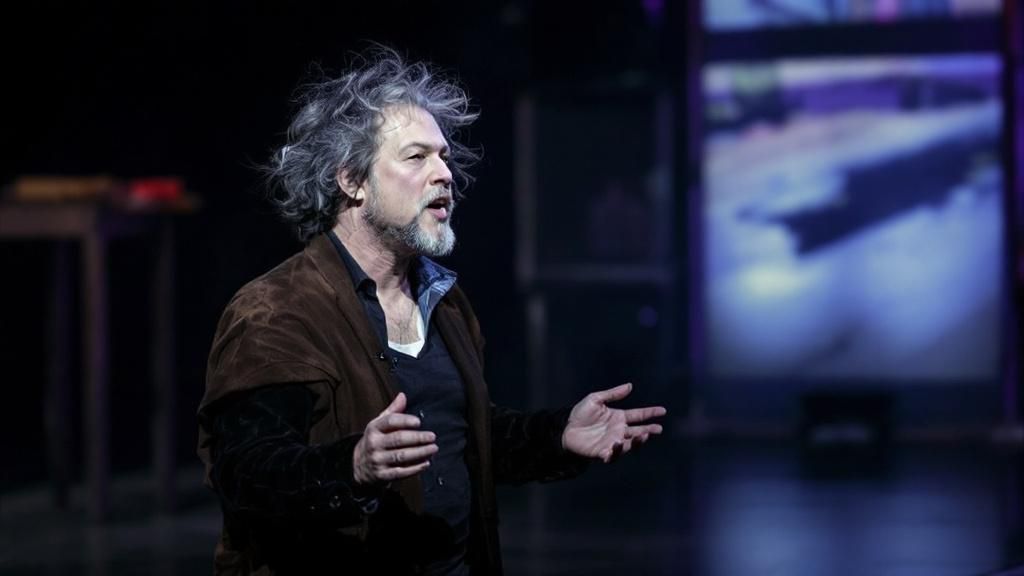
The National Theatre has unveiled an ambitious new programme designed to broaden participation in classical drama throughout the United Kingdom. This innovative initiative aims to bring internationally acclaimed stage productions to communities far outside London’s West End, making certain that audiences in rural and underserved regions can encounter Shakespeare, Chekhov, and modern adaptations of enduring masterpieces. Through inventive travelling productions, digital platforms, and collaborative partnerships, the theatre is substantially altering how Britain relates to dramatic literature, rendering quality theatre an fundamental access point rather than a privilege.
Bringing Theatre to Everyone to World-Class Theatre
The National Theatre’s programme marks a pivotal shift in how traditional theatre engages patrons across the UK. By eliminating distance limitations and cost barriers, the initiative ensures that populations in remote locations and deprived communities can access productions previously reserved for London’s elite venues. This focus on inclusion demonstrates a fundamental belief that theatrical excellence should not be governed by zip code or financial means, but rather allocated equally among all people regardless of their backgrounds.
Through collaborative alliances with regional theatre venues, educational institutions, and arts bodies in local areas, the National Theatre is developing sustainable channels for interaction with classical works. The initiative encompasses touring productions, affordable ticket initiatives, and community-developed interpretations that foster local engagement and cultural stewardship. By fostering these collaborative relationships, the theatre moves away from a singular London institution into a dispersed system of cultural excellence, ensuring that the transformative power of theatre becomes truly available to audiences throughout Britain.
Digital Innovation and Community Engagement
The National Theatre’s plan depends on state-of-the-art technology to broaden its audience across the nation. By utilising streaming services and virtual performances, the institution provides concurrent viewing to performances for audiences who cannot visit physically. This technical systems democratises cultural participation, allowing viewers from Cornwall to the Scottish Highlands to experience world-class performances from home. The initiative also includes immersive digital content, instructional content, and behind-the-scenes content, deepening the theatre experience beyond traditional stage productions and building stronger connections with traditional theatrical works.
Equally important are the strategic partnerships forged with theatre venues across regions, local authorities, and grassroots organisations within the United Kingdom. These partnerships enable productions connect with audiences from different backgrounds whilst supporting grassroots cultural infrastructure. The National Theatre offers grants, professional expertise, and artistic leadership to collaborative venues, building enduring cultural frameworks in regions with limited provision. By working alongside community organisations rather than applying London-based criteria, the initiative honours community character whilst upholding creative quality. This collaborative framework converts classical drama into a genuinely nationwide endeavour, embedding theatrical culture across communities and building enduring cultural heritage.
Influence and Long-Term Outlook
The initiative’s influence reaches well beyond mere attendance figures, fundamentally transforming cultural involvement nationwide. Theatre organisations across regions document unprecedented engagement levels, with audiences discovering renewed appreciation for classical works formerly considered inaccessible. Areas that traditionally lacked theatre facilities now enjoy theatrical productions, learning sessions, and behind-the-scenes insights. This democratisation develops a increasingly inclusive arts environment, encouraging younger generations to engage with dramatic literature as a vital part of their learning and social growth.
Looking ahead, the National Theatre envisions sustained expansion of this groundbreaking scheme throughout the following decade. Targeted funding in online platforms are set to broaden reach, allowing simultaneous broadcasts and direct access to filmed shows. Partnerships with schools and universities will incorporate period plays within educational programmes, cultivating lifelong appreciation for stage performance. The scheme represents a pivotal turning point, setting the idea that remarkable dramatic performances form a essential cultural access rather than an advantage restricted to the capital.
As this innovative project continues evolving, its success ultimately depends upon continuous investment, community engagement, and strategic alliances. The National Theatre continues to be focused on measuring impact through viewer input, participation rates, and educational outcomes, maintaining transparency and continuous improvement. This groundbreaking programme marks a fundamental transformation in British cultural values, demonstrating that classic plays is for everyone.
