
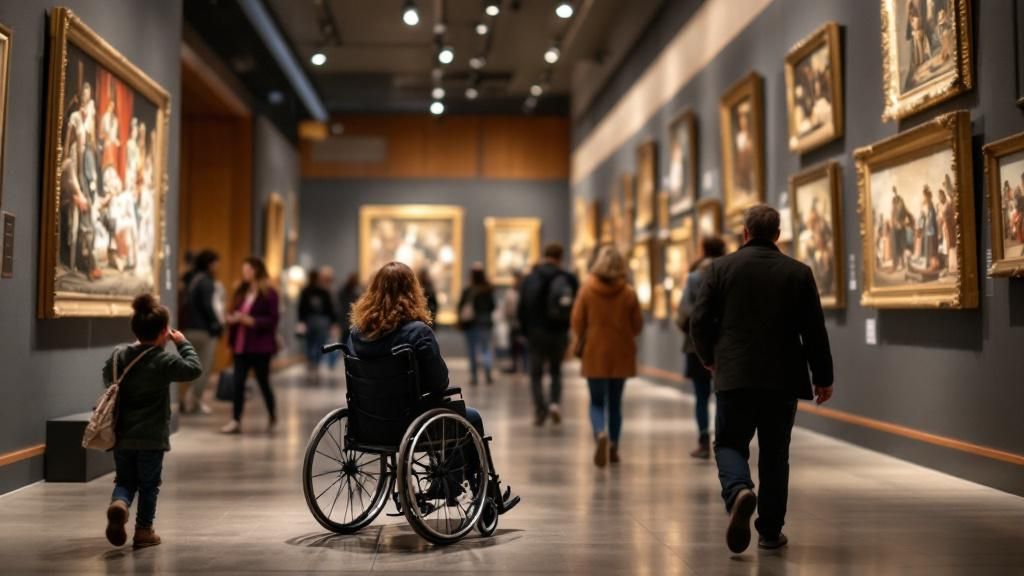
Britain’s major museums are launching a fundamental accessibility revolution, acknowledging that heritage collections should be open to everyone, irrespective of physical ability or disability. From better wheelchair provision and inclusive sensory programming to advanced digital offerings, these organisations are removing longstanding barriers that have conventionally kept out visitors with disabilities. This article explores the groundbreaking initiatives transforming the museum landscape, explores the bodies leading this vital change, and assesses how these initiatives are reshaping what inclusive cultural experiences truly mean for people across the United Kingdom.
Accessibility Enhancements At Leading Institutions
Major museums throughout the United Kingdom have completed extensive renovations to enhance physical access for disabled visitors. The British Museum, V&A Museum, and the National Gallery have invested considerably in installing ramps, lifts, and accessible facilities across their galleries. These enhancements go further than basic wheelchair access, including wider corridors, accessible toilets with changing facilities, and rest spaces strategically positioned throughout gallery spaces. Such facility improvements demonstrate a real dedication to ensuring that disabled visitors can move through museums with independence and comfortably whilst viewing collections without avoidable obstacles.
Beyond design improvements, institutions have emphasised accessible parking arrangements and better directional guidance created with visitors with movement difficulties. Many museums now deliver barrier-free pathways that bypass stairs entirely, allowing visitors to experience all major galleries without meeting hindrances. Staff training programmes have been implemented to support disabled guests effectively, whilst adapted seating arrangements has been introduced within exhibition areas. These combined initiatives reflect a major transformation in museum philosophy, acknowledging that barrier-free design is essential for creating genuinely inclusive cultural spaces where all visitors can participate fully with Britain’s treasured heritage collections.
Digital Innovation and Web-Based Access
British museums are utilising cutting-edge technology to broaden access to their holdings, recognising that web-based systems can connect with disabled visitors who may face physical barriers to attending in person. immersive digital environments, high-resolution online collections, and interactive digital exhibitions now enable individuals with movement difficulties, vision disabilities, and other disabilities to discover cultural treasures from home. These initiatives enhance facility upgrades, guaranteeing that technological advancement functions as a genuine enabler rather than a optional extra.
Major institutions have invested significantly in user-friendly web platforms, implementing features such as adjustable text sizes, descriptive audio, and keyboard accessibility features. Museums are also creating tailored digital applications and virtual tours purpose-built for deaf and hard of hearing visitors, offering full-text captions and BSL interpreting services. By placing priority on digital accessibility standards, British museums are becoming recognised as leaders in accessible heritage experiences, demonstrating that innovation can meaningfully enhance engagement across all audiences.
Specialist Programmes and Support Services
British museums are establishing bespoke programmes deliberately created to meet the diverse needs of disabled visitors. These offerings encompass dedicated sensory sessions offering reduced visitor numbers, dimmed lighting adjustments, and minimised auditory stimulation for people on the autism spectrum or sensory processing difficulties. Museums are also engaging trained personnel experienced in disability awareness and inclusive design standards. Many museums now deliver personalised tour guides who modify their presentations to accommodate different ways of communicating and cognitive needs, confirming every visitor receives genuine connection with exhibits.
Assistance programmes have expanded considerably, with museums providing accessible facilities including accessible toilets, quiet zones, and designated quiet spaces for visitors needing breaks. Guide dogs are permitted in all exhibition spaces, and staff members undergo thorough training to assist guests with mobility impairments, visual or hearing loss, and cognitive support needs. Museums collaborate closely with accessibility groups to create initiatives based on authentic visitor input. Pre-visit booking options enable guests to arrange additional support, whilst team presence ensures personalised assistance throughout visits, fundamentally transforming the museum experience for disabled individuals.
Looking ahead, British museums remain committed to continuous improvement, allocating funds towards new technological solutions and accessibility innovations. Ongoing dialogue with disability organisations ensures initiatives continue to be adaptive and successful. These extensive tailored services show that accessibility goes beyond physical modifications, encompassing thoughtful, person-centred support services that authentically include all visitors into Britain’s cultural institutions.
